HR Q&As for Local Government
A practical HR guide for local government
Queensland councils face unique workforce challenges, from managing certified agreements and classification structures to workforce planning, restructures, psychosocial hazards and public-sector accountability. This guide answers some of the most common HR questions we hear from local government leaders, managers and people and culture teams.
Each question reflects a real workplace issue councils encounter and provides practical guidance to help support compliant, effective workforce management.
How to use this guide: each heading is a real question people search for, followed by a concise answer. Keep the question wording as your on-page headings so search and answer engines can match them directly to what people ask.
HR Questions for local government, Answered
For Queensland councils managing the state IR system, certified agreements, classification, workforce planning, safety and public-sector accountability.
Queensland local government employees are generally covered by the Queensland state industrial relations system — the Industrial Relations Act 2016 (Qld) and the Queensland Industrial Relations Commission — not the federal Fair Work Act. That means state awards (such as the Queensland Local Government Industry (Stream A) Award – State 2017) and certified agreements apply, rather than federal modern awards. Getting the correct system right is the foundation of compliant council HR.
Most Queensland council roles sit under a Queensland local government industry award (for example the Stream A award for many indoor and outdoor staff), overlaid by the council’s own certified agreement, which usually sets higher pay and tailored conditions. Senior contract employees may sit outside these. Mapping every role to the correct award and agreement is essential before any pay, classification or restructure decision.
An award sets the safety-net minimum pay and conditions for an industry. A certified agreement (the state equivalent of an enterprise agreement) is negotiated between the council, its employees and unions, approved by the Commission, and typically improves on the award with locally agreed pay scales, allowances and conditions. While it operates, its terms prevail over the underlying award, so both documents must be read together.
Roles are matched to classification levels and pay bands defined in the award and certified agreement, based on the work value of the position — its skills, responsibilities and accountabilities — rather than the individual in it. This is usually done through a structured job evaluation against clear, documented criteria, supported by current position descriptions. Consistent classification is key to pay equity and to defending grievances.
Councils face an ageing workforce, hard-to-fill technical and trade roles, and long-term service obligations to the community. A strategic workforce management plan forecasts the roles and skills you will need, identifies gaps and succession risks, and sets actions for attraction, development and retention. It links your HR effort to the corporate and operational plans, so workforce decisions are deliberate rather than reactive.
Start by mapping critical roles and the people approaching retirement, then quantify the knowledge and skills at risk. Strategies include structured knowledge transfer, mentoring and “grow your own” pathways such as trainees and apprentices, phased retirement or flexible options, and documented succession plans for key positions. The aim is continuity of essential services as experienced staff move on.
Pay alone rarely solves it. Effective approaches combine a genuine employee value proposition (purpose, stability, lifestyle and development), flexible and family-friendly arrangements, local and “grow your own” recruitment pipelines, relocation or housing support where feasible, and a strong, respectful culture. Retention improves when supervisors are trained to lead well and staff feel recognised and heard.
The principles are the same as any workplace — clear expectations, honest feedback, documentation, support and procedural fairness — but the certified agreement and award often prescribe specific steps, timeframes and consultation or representation rights. Follow those processes carefully, involve the employee’s chosen support person, and keep performance issues separate from misconduct. Training managers to do this consistently prevents most disputes.
Awards and certified agreements contain consultation clauses that are triggered by major change such as restructures, redundancies or significant changes to rosters or duties. Typically you must notify affected employees and their representatives, share relevant information, genuinely consider feedback, and consider ways to avoid or reduce adverse effects — before final decisions are made. Skipping consultation is a frequent and avoidable source of disputes.
Frontline roles — customer service, compliance, libraries, waste and parks — can face aggression from the public. Treat it as a work health and safety risk: assess the hazard, design out risk where possible (layout, duress alarms, lone-work controls), set clear procedures for reporting and responding, train staff, and support those affected. A working group that includes frontline employees helps surface real risks and practical controls.
Work health and safety laws require employers to manage psychosocial hazards — such as high job demands, low control, poor support, bullying, and exposure to traumatic content or aggression — just like physical hazards. That means identifying them, assessing risk, putting controls in place and reviewing them. For councils this spans office, depot and field roles, and is increasingly a focus of regulators.
Council employees are expected to act with integrity, impartiality, accountability and respect, and to avoid conflicts of interest — reflecting their role as public servants accountable to the community. A clear, well-communicated code of conduct, backed by training and a fair process for managing breaches, protects both the council’s reputation and individual employees. Apply it consistently to maintain trust.
A public interest disclosure is a report of suspected wrongdoing — such as corruption, maladministration or a danger to health or safety — made by someone in the public sector. Councils must have a process to receive disclosures, protect the discloser from reprisal, manage the information confidentially, and act appropriately. Handling these correctly is both a legal obligation and central to public trust.
Set clear expectations through the code of conduct, require declaration and registration of interests, and separate decision-making from anyone with a personal or financial interest. Staff should be able to raise concerns safely. Clear policies on gifts, secondary employment and procurement reduce risk. The goal is decisions that are — and are seen to be — made on merit and in the community’s interest.
Elected councillors set strategic direction and policy and represent the community; the day-to-day employment, management and discipline of staff is the responsibility of the administration, led by the CEO. Keeping that line clear protects staff from inappropriate interference and keeps employment decisions lawful and consistent. HR frameworks should reinforce who is accountable for what.
Use a structured, documented method that scores a role against consistent factors — such as skills, knowledge, judgement, accountability and working conditions — based on an accurate position description rather than the current occupant. Apply the same method across the organisation so results are comparable and defensible. Sound evaluation underpins fair classification, pay equity and the ability to withstand reclassification grievances.
Councils often rely on casuals and seasonal staff for pools, parks, events and peak periods. Manage them with clear engagement letters, correct award classification and loadings, fair and transparent rostering, proper induction and safety training, and attention to the employee-choice pathway for long-term regular casuals. Good systems here prevent underpayment claims and keep services running through peaks.
Have a clear, well-known grievance and bullying procedure, take every complaint seriously, and ensure the process is prompt, fair and confidential. In a small or close-knit workforce, manage real or perceived bias by using an independent investigator where needed. Support all parties, focus on evidence, and communicate outcomes appropriately. Early, skilled intervention usually prevents escalation.
Volunteers (in libraries, events, SES and community programs) are owed work health and safety duties just like employees, and need proper induction, supervision, role clarity and insurance considerations. Clear volunteer agreements, screening where appropriate, and a defined boundary between volunteer and paid work protect both the volunteer and the council. Treat volunteer management as part of your overall people framework.
Many council leaders are promoted for technical expertise and then expected to manage people with little support. Targeted development — in performance conversations, consultation obligations, the code of conduct, safety leadership and the relevant agreement — lifts capability and reduces risk. Coaching and clear expectations help frontline leaders translate strategy into day-to-day practice and model the culture the council wants.
Need a hand with any of these?
The questions above cover the issues we help organisations work through every day. A good starting point is an HR Health Check — a review of your contracts, policies, compliance and culture that identifies your biggest risks and turns them into a clear, prioritised HR plan. From there, we can provide as much or as little ongoing support as you need.
Disclaimer: This guide provides general information only and is not legal advice. Workplace laws, awards, agreements and pay rates change and depend on your specific circumstances. Before acting on any of the above, seek advice tailored to your situation.
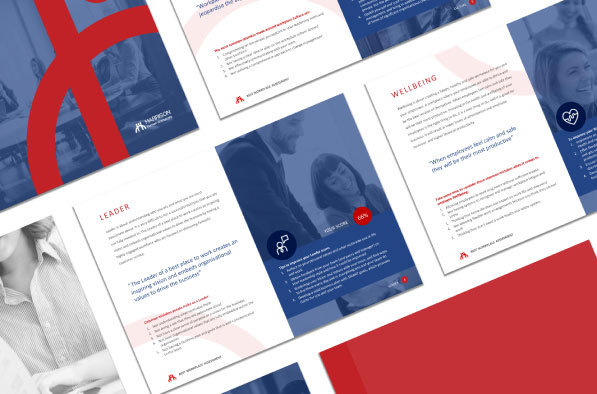
STEPS TO MANAGE AND MOTIVATE EMPLOYEES
FOR BUSINESS GROWTH
Leader
Amazing businesses have impressive leaders
Culture
Foster a fantastic place to work for everyone
Appointment
Attract and recruit only the best superstars
Performance
Clarify expectations and guide performance
Recognition
Reward employee contribution meaningfully
Wellness
Look after health and wellbeing
request your obligation-free phone call today.
WANT TO LEARN MORE ABOUT OUR HR CONSULTING SERVICES?
If you’d like to know more about our professional HR consulting services, book a free 15-minute phone consult with Harrisons.
We’ll lend an expert ear to your concerns and discuss suggested steps moving forward.