HR Q&As for SME Business Owners
A practical HR guide for SME Business Owners
Managing people can be one of the most rewarding and challenging parts of running a business. From hiring your first employee and understanding awards to managing performance, contracts and workplace compliance, business owners are often expected to navigate complex employment obligations while staying focused on growth.
This guide answers the HR questions we hear most often from small and medium-sized businesses and provides practical, straightforward guidance to help you make informed decisions with confidence.
How to use this guide: each heading is a real question people search for, followed by a concise answer. Keep the question wording as your on-page headings so search and answer engines can match them directly to what people ask.
HR questions for SME business owners, answered
For owners and managers of small and medium businesses navigating awards, contracts, pay, performance and compliance.
Before they start, confirm which modern award (if any) covers the role, set pay at or above the award and national minimum wage, give the employee a written contract and the Fair Work Information Statement, register for PAYG withholding and set up superannuation (12% from 1 July 2025). You also take on work health and safety duties and record-keeping and payslip obligations from day one. A simple onboarding checklist keeps it consistent every time.
Awards are decided by the industry your business operates in and the work each person actually does, not by what you would prefer. Use the Fair Work Ombudsman’s online tools to identify coverage, and remember a single business can have staff across several awards. If you are unsure, a contract and award review removes the guesswork and protects you from underpayment claims.
No. Paying above-award wages does not switch the award off. Your employees can still be entitled to overtime, penalty rates, allowances, breaksand other conditions in the award. A well-drafted contract or a properly calculated annualised salary arrangement can offset some of these, but only if it is set up correctly and reviewed regularly.
From 1 July 2025 the national minimum wage is $24.95 per hour, or $948 per week for a full-time 38-hour week, with casuals receiving at least a 25% loading on top. These rates are reviewed by the Fair Work Commission every year, and a further increase to $26.44 per hour ($1,004 per week) applies from 1 July 2026. Most employees are also covered by an award that may set a higher rate.
The Superannuation Guarantee is 12% of ordinary time earnings from 1 July 2025, and it generally applies to employees regardless of how much they earn. From 1 July 2026, “Payday Super” will require super to be paid at the same time as wages rather than quarterly, so it is worth reviewing your payroll process now.
Full-time and part-time employees have guaranteed, predictable hours and receive paid leave entitlements. Casuals have no firm commitment to ongoing work and instead receive a casual loading (usually 25%) in place of paid leave. Getting this classification right matters: misclassifying a regular, systematic casual can lead to back-pay claims and disputes.
Not automatically. Under the “employee choice” pathway, an eligible casual can give you written notice asking to move to permanent employment — after 12 months for small businesses (in effect from 26 August 2025). You must respond in writing within 21 days and can only refuse on specific grounds, such as the role genuinely remaining casual or fair and reasonable operational reasons.
Yes. There is no blanket exemption for small business. However, if you have fewer than 15 employees and you follow the Small Business Fair Dismissal Code — giving valid reasons, warnings and a chance to improve — a dismissal is much harder to challenge. Employees generally need 12 months service with a small business before they can claim, compared with 6 months elsewhere.
Set clear expectations, give honest feedback early, and document it. If performance does not improve, move to a structured process: a documented performance improvement plan, genuine support, and clear warnings with a chance to respond. Termination should be a last step after procedural fairness has been followed. Most unfair dismissal claims succeed because of poor process, not because the reason was wrong.
Generally no. Small business employers with fewer than 15 employees are not required to pay redundancy pay under the National Employment Standards, though notice still applies and the redundancy must be genuine. Once you reach 15 or more employees, redundancy pay obligations apply, so this is an important threshold to watch as you grow.
They are not strictly compulsory, but operating without them is a significant risk. A clear contract sets out duties, pay, hours, probation, confidentiality and termination, and lets you lawfully offset some award entitlements. Without one, gaps are filled by the award and the law — usually in the employee’s favour. Contracts should be reviewed whenever roles, awards or laws change.
The NES are the minimum entitlements that apply to all employees in the national system, regardless of any award or contract. They cover maximum weekly hours, leave (annual, personal/carer’s, parental, compassionate and more), public holidays, notice of termination, redundancy pay, flexible work requests, the right to disconnect and the requirement to provide the Fair Work Information Statement.
At a minimum: a code of conduct, a work health and safety policy, a bullying, discrimination and sexual harassment policy, a leave policy, a disciplinary and grievance procedure, and a workplace surveillance/IT policy. Many businesses also add flexible work and right to disconnect policies. Policies only protect you if staff are trained on them and they are kept up to date as laws change.
The right to disconnect lets employees reasonably refuse to monitor or respond to work contact outside their working hours. It has applied to larger employers since 26 August 2024 and to small businesses (fewer than 15 employees) since 26 August 2025. It does not ban after-hours contact, but it does mean expectations should be reasonable and ideally set out in a clear policy.
Employees work within your business under your direction; genuine contractors run their own business and bear their own commercial risk. Labelling someone a “contractor” to avoid super, leave and tax obligations — when they are really an employee — is “sham contracting” and carries serious penalties. The whole working relationship is assessed, not just the words in an agreement.
Yes. Payslips must be issued within one working day of payment and include details such as the employer and employee names, pay period, gross and net pay, hours and rates, and any loadings, allowances, deductions and superannuation contributions. Accurate records are also a legal requirement and your best defence if a pay dispute ever arises.
Focus on process and evidence. Address issues early through honest, specific feedback (describing the situation, the behaviour and its impact), document conversations, set measurable expectations with support and timeframes, and give the person a real chance to improve. Keep performance concerns separate from misconduct. Done well, this either turns performance around or gives you a defensible basis to act.
Whenever there is an allegation of serious misconduct — such as bullying, harassment, discrimination, fraud or theft — that could lead to disciplinary action. An investigation should be prompt, impartial and confidential, give the person a chance to respond, and be based on evidence rather than assumptions. Acting without one is a common cause of successful unfair dismissal and adverse action claims.
You can dismiss without notice for genuine serious misconduct (for example theft, fraud, violence, or serious safety breaches), but “on the spot” rarely means instant. You still need to investigate, put the allegations to the employee and let them respond before deciding. Skipping that process is where many summary dismissals come unstuck.
Common triggers are hiring your first few employees, a performance or misconduct issue, a resignation that feels risky, rapid growth, or simply not having time to keep up with changing laws. A practical starting point is an HR Health Check — a review of your contracts, policies, compliance and culture — which identifies your biggest risks and turns them into a prioritised plan.
Need a hand with any of these?
The questions above cover the issues we help organisations work through every day. A good starting point is an HR Health Check — a review of your contracts, policies, compliance and culture that identifies your biggest risks and turns them into a clear, prioritised HR plan. From there, we can provide as much or as little ongoing support as you need.
Disclaimer: This guide provides general information only and is not legal advice. Workplace laws, awards, agreements and pay rates change and depend on your specific circumstances. Before acting on any of the above, seek advice tailored to your situation.
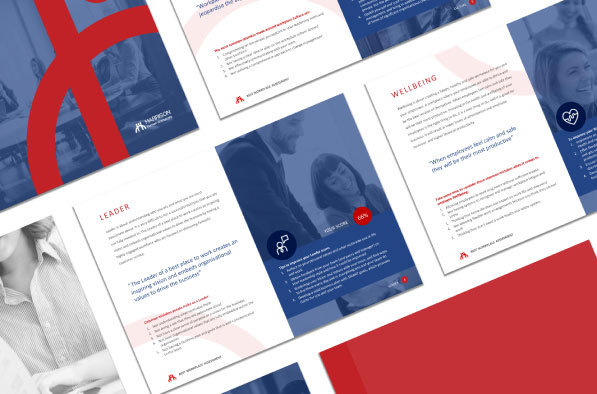
STEPS TO MANAGE AND MOTIVATE EMPLOYEES
FOR BUSINESS GROWTH
Leader
Amazing businesses have impressive leaders
Culture
Foster a fantastic place to work for everyone
Appointment
Attract and recruit only the best superstars
Performance
Clarify expectations and guide performance
Recognition
Reward employee contribution meaningfully
Wellness
Look after health and wellbeing
request your obligation-free phone call today.
WANT TO LEARN MORE ABOUT OUR HR CONSULTING SERVICES?
If you’d like to know more about our professional HR consulting services, book a free 15-minute phone consult with Harrisons.
We’ll lend an expert ear to your concerns and discuss suggested steps moving forward.