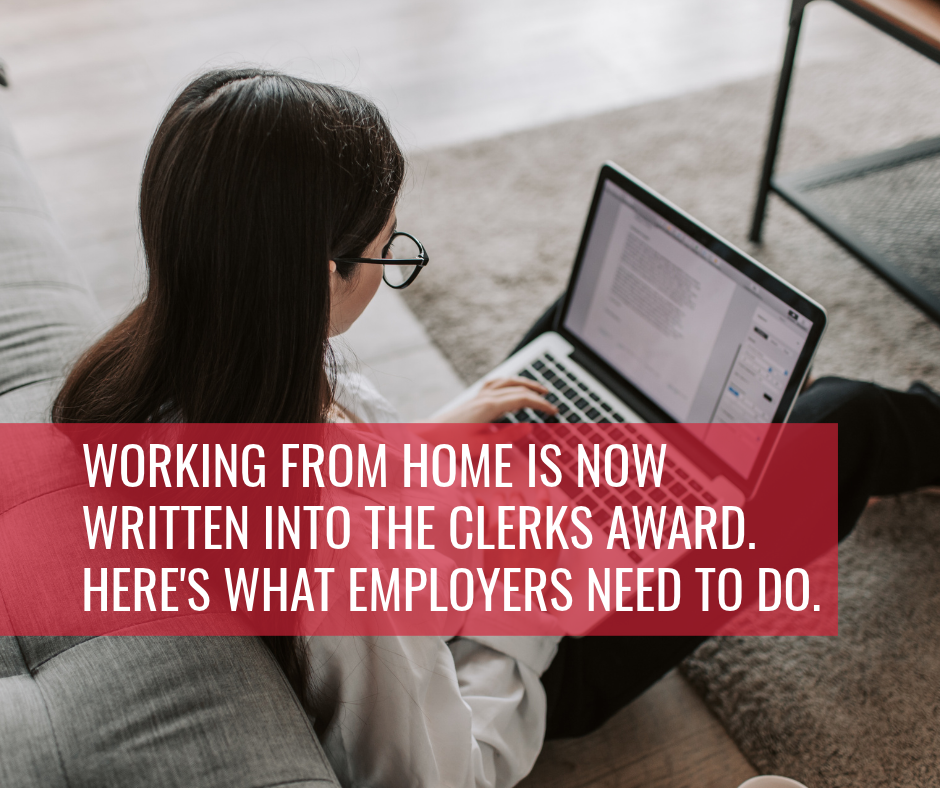
Every week I hear some version of two sentences. “We don’t do work from home here.” And “Our casuals like being casual.”
Both may be true. Neither is a strategy anymore.
Across federal and state governments, the Fair Work Commission and the courts, the direction is clear. Flexibility is moving from perk to entitlement. Insecure work is being pushed towards permanency. And the penalties for getting it wrong now include jail.
Flexibility: from favour to formal process
The Fair Work Act already gives a right to request. After 12 months’ service, parents, carers, pregnant employees, people with disability, workers aged 55 or over and people experiencing family violence can request flexible work, including working from home. Since June 2023, employers must respond in writing within 21 days, discuss the request genuinely, and give reasons for a refusal. The Commission can now arbitrate disputes.
That power has teeth. In Chandler v Westpac (2025), the Commission ordered a bank to let a long-serving part-time employee work from home permanently. The employer had responded late, given no reasons and relied on generalised business grounds. In other 2026 decisions, the Commission accepted that a real loss of productivity can justify a refusal. The difference was evidence.
The Clerks Award now has a work-from-home clause. Since 26 October 2026, clause 5A of the Clerks Award has let employees ask in writing to work from home, setting out the days or pattern they want. Employers can agree, and an agreement can adjust ordinary hours, when they are worked and the timing of breaks. Agreements must be made without coercion, and either party can end them. The clause sets no response time and no test for refusing a request. The union claim for a presumption in favour of working from home was rejected. Put any agreement in writing and keep it with your time and wages records. Expect other awards to follow this template.
Victoria tried to go further. The Equal Opportunity Amendment (Work from Home) Bill 2026 would make two days a week working from home a legal entitlement for many Victorian employees, enforceable through the state’s equal opportunity system. It passed the lower house, but the start date was pushed back to July 2027, and January 2028 for small business. In September, the upper house sent it to a committee. It is now on hold until after the November state election. Employer groups also have advice that it may conflict with the Fair Work Act.
On hold isn’t gone. And expectations don’t wait for legislation.
Permanency: the push away from insecure work
The Closing Loopholes reforms changed how work is classified.
- Casuals: a new definition looks at the real substance of the relationship, not just the contract. Casuals can choose to move to permanent employment through the employee choice pathway.
- Contractors: whether someone is an employee is again decided by looking at the whole relationship in practice. The defence to sham contracting is now harder to make out: an employer must show it reasonably believed the arrangement was a genuine contract.
- Gig workers: the Commission can set minimum standards for “employee-like” platform workers. The first order, for on-demand food delivery, started in August 2026, with minimum rates of around $31 to $32 an hour of engaged time.
- Labour hire: “same job, same pay” orders can require labour hire workers to be paid the same as directly engaged employees.
- Next: the government plans to ban non-compete clauses for employees earning under the high income threshold from 2027.
The penalties are now serious
Wage theft is a crime. Since 1 January 2025, intentionally underpaying an employee is a federal criminal offence. Individuals face up to 10 years’ jail. Companies face fines of up to three times the underpayment, or more than $8 million. Civil penalties for serious contraventions have also increased fivefold.
There is a safe harbour for small businesses that follow the Voluntary Small Business Wage Compliance Code. It covers genuine mistakes, not wilful blindness.
Safety failures can mean prison. Queensland’s industrial manslaughter offence carries up to 20 years’ jail for individuals. In May 2026, a mining services company was fined $7 million after Queensland’s first industrial manslaughter conviction under mining safety law. Psychosocial safety prosecutions are increasing across the country.
What this means for your business
The question is no longer whether you allow flexibility or use casuals. It’s whether your decisions are deliberate, documented and defensible.
If an employee asked to work from home tomorrow, could you show you considered it genuinely? If a casual has worked regular hours for two years, have you had the conversation? If a contractor works only for you, in your uniform, on your roster, are you sure they’re a contractor? And is every award classification right?
Top 5 tips
- Write a flexible work procedure. Set out how requests are made, assessed and answered within 21 days, with reasons.
- Base refusals on evidence. Record the actual business impact. Generalised concerns won’t survive arbitration.
- Review your casuals. Look for regular, systematic patterns and discuss the employee choice pathway with them.
- Test your contractor arrangements. Look at how the relationship works in practice, not what the contract says.
- Audit pay and classifications. Fix errors early, back-pay promptly, and document what you did.
Frequently asked questions
Do employees have a legal right to work from home? Not generally. Eligible employees have a right to request flexible work, and employers must follow the Fair Work Act process. Since 26 October 2026, the Clerks Award also lets employees ask in writing, but employers can still say no.
Does the Victorian work-from-home law apply now? No. The bill has not passed the upper house and is on hold until after the November 2026 Victorian election.
Can I refuse a flexible work request? Yes, on reasonable business grounds, after genuine discussion, with written reasons. The Commission can review your decision.
Can my casuals become permanent? Eligible casuals can notify their employer that they want to convert to permanent employment, and the employer can refuse only on limited grounds.
Is an accidental underpayment a crime? The criminal offence applies to intentional underpayment. Mistakes still attract civil penalties and back-pay.
How Harrisons can help
We help employers review their flexible work procedures, casual and contractor arrangements, award classifications and pay compliance, before a regulator or the Commission does. If you’re not sure where you stand, get in touch with our team.

Claire Harrison is the Founder and Managing Director of Harrisons, a flourishing HR consulting business that sprouted in 2009 from Claire’s passionate belief that inspiring leaders and superstar employees are the key success factor to any business. With over 20 years’ experience, Claire has worked as a HR Director of multi-national organisations, as a Non-Executive Board Director, and a small business owner. Claire’s corporate career includes working with companies such as BHP, Westpac, Fonterra and Mayne Nickless.