Employment Law Australia

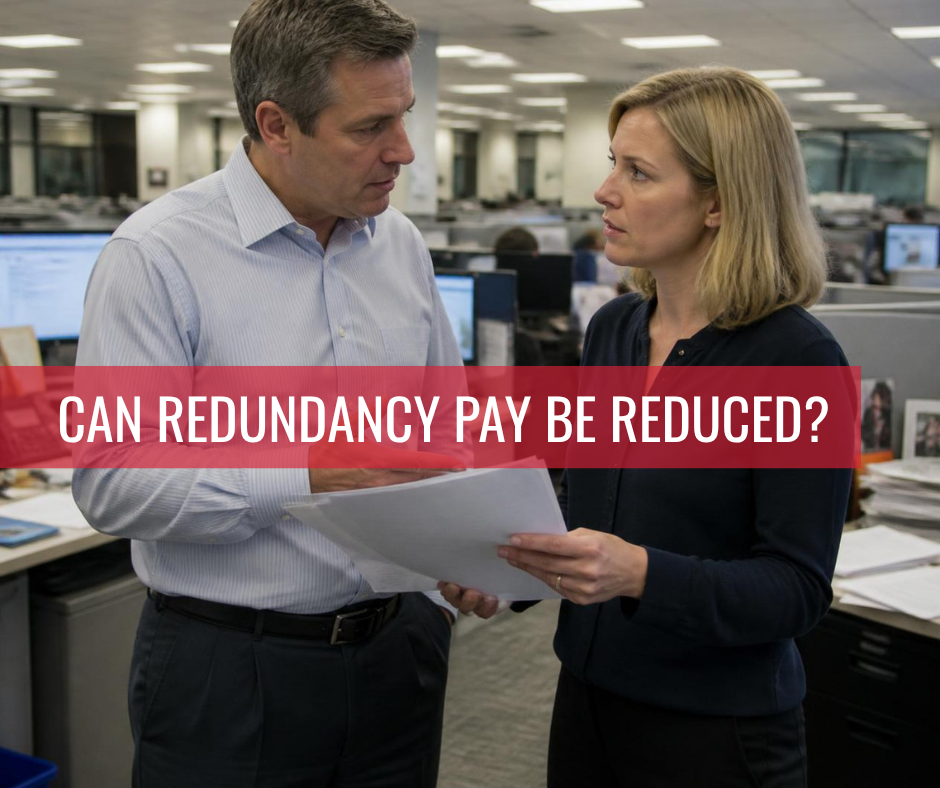
Two colleagues discussing redundancy documents in an office, representing redundancy pay and alternative employment considerations.

Can Redundancy Pay Be Reduced? What “Other Acceptable Employment” Really Means Under Section 120

Most employers know that a genuine redundancy triggers redundancy pay. Far fewer know that the Fair Work Commission can reduce that payment — sometimes to nothing — where the employer has obtained other acceptable employment for the employee.  And far fewer still appreciate the sting in the test: whether the alternative employment is “acceptable” is judged objectively. It does […]

Can Redundancy Pay Be Reduced? What “Other Acceptable Employment” Really Means Under Section 120 Read More »

Professional working on a laptop with a shadow silhouette and digital security icons representing AI governance, privacy, and employment risks in the workplace.

Shadow AI in the Workplace: How Australian Employers Can Manage the Governance, Privacy and Employment Risks

Shadow AI is the use of artificial intelligence tools by employees for work — without the employer’s knowledge, approval or oversight, usually through public generative AI chatbots opened straight from a browser.  The answer is not a blanket ban, which simply drives use underground. The answer is governance: a clear AI acceptable-use policy, staff training, clear data rules, human

Shadow AI in the Workplace: How Australian Employers Can Manage the Governance, Privacy and Employment Risks Read More »

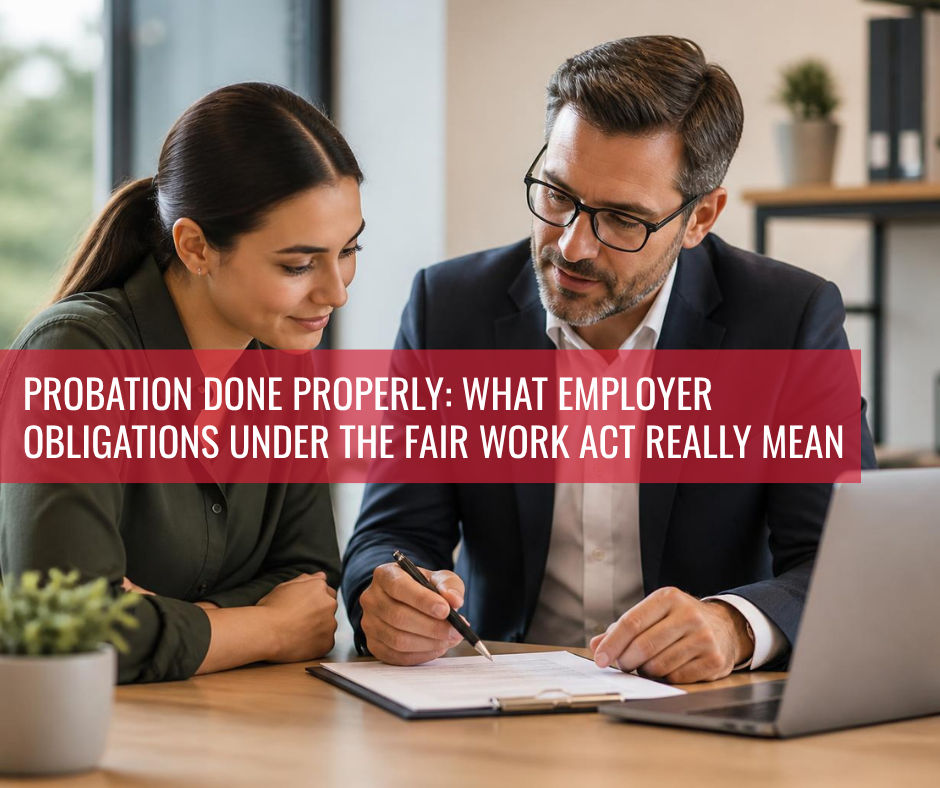
Featured image showing a manager reviewing probation documents with a new employee, representing probation management, performance discussions, and employer obligations under the Fair Work Act.

Probation Done Properly: What Employer Obligations Under the Fair Work Act Really Mean

Probation is not a legal safe zone. Ending employment during probation removes unfair dismissal exposure — but not a general protections claim, a discrimination complaint, or a breach of contract. Getting the fundamentals right keeps you out of trouble.  What’s the real issue?  Employers routinely confuse two very different things:  A contractual probation period — a creature of contract

Probation Done Properly: What Employer Obligations Under the Fair Work Act Really Mean Read More »

Underpayments and record-keeping compliance risks for Australian employers under Fair Work laws

Underpayments and Record-Keeping in Australia: What Recent Fair Work Cases Mean for Employers

Recent Fair Work Ombudsman (FWO) enforcement action highlights a clear and growing risk for employers: underpayments and poor record keeping in Australia remain some of the most common — and costly — compliance failures. Across multiple Federal Court outcomes in December 2025, businesses were penalised for breaches involving wages, payslips, and employment records. These cases

Underpayments and Record-Keeping in Australia: What Recent Fair Work Cases Mean for Employers Read More »

Fair Work Crackdown on Migrant Worker Breaches: Key Lessons for Employers

Fair Work Crackdown on Migrant Worker Breaches: What Recent Cases Mean for Employers

Recent enforcement action by the Fair Work Ombudsman highlights a clear regulatory focus: protecting migrant workers and addressing workplace underpayments. In December 2025 alone, the regulator announced legal action and penalties across several industries — including agriculture, financial services and transport. While the circumstances differ, the underlying message is consistent: employers must ensure migrant workers

Fair Work Crackdown on Migrant Worker Breaches: What Recent Cases Mean for Employers Read More »

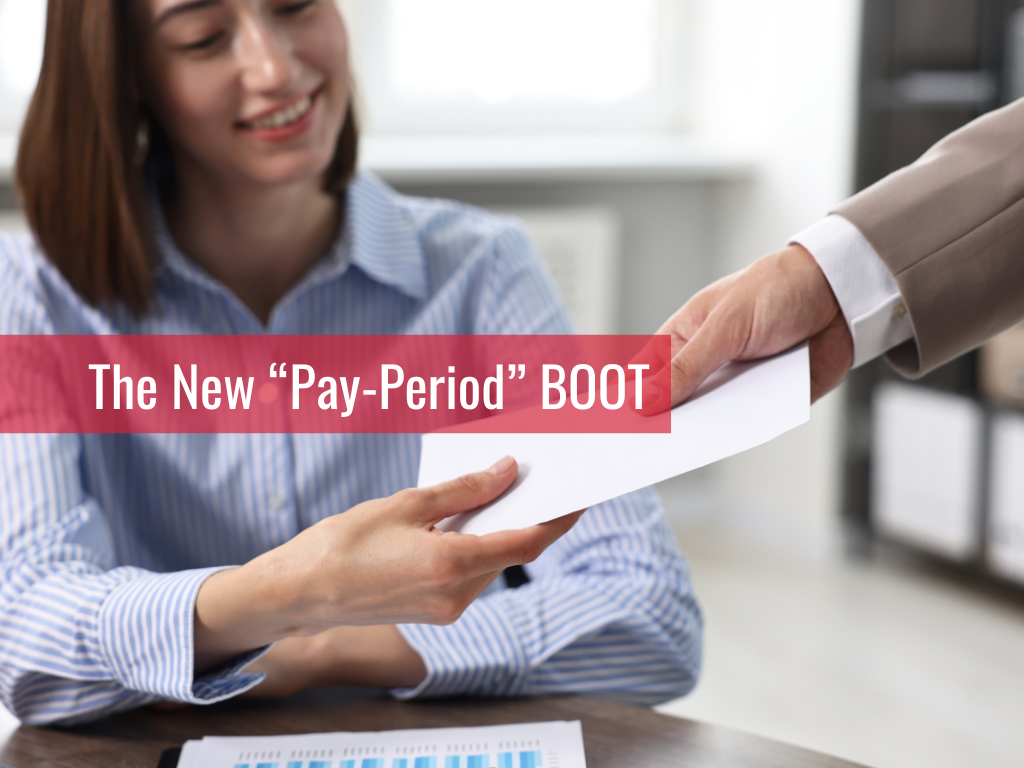
A landmark Federal Court decision reshapes BOOT compliance, annualised salaries and offset clauses. Here’s what Australian employers must review now.

The New “Pay-Period” BOOT: What the Landmark Ruling Means for Employers

A recent Federal Court decision has fundamentally changed how Australian employers must think about annualised salaries, offset clauses and the Better Off Overall Test (BOOT). Often referred to as the “pay period boundary” ruling, this decision has wide ranging implications for payroll, HR, employment contracts and record keeping practices across all industries — not just

The New “Pay-Period” BOOT: What the Landmark Ruling Means for Employers Read More »

New-Gender-Equality-Targets-for-Employers

WGEA Gender Equality Targets are Coming in 2026 – Here’s What Smart Employers Should Do Now

If you employ 500+ people, you’ve probably already heard the headlines: WGEA gender equality targets are coming. But what’s worth paying attention to isn’t just the compliance requirement, it’s what these changes signal about where workplace expectations are heading in Australia. From 2026, employers captured under the legislation (known as Designated Relevant Employers) will be required to select and commit to three gender equality targets, with at least one being numeric. Employers

WGEA Gender Equality Targets are Coming in 2026 – Here’s What Smart Employers Should Do Now Read More »

Pregnancy, Restructures and Flexible Work Managing Risk Under the Fair Work Act

Pregnancy, Restructures and Flexible Work – Managing Risk Under the Fair Work Act

Workplaces are increasingly navigating complex situations where business change intersects with employee rights. One of the most sensitive scenarios occurs when an employee who is pregnant is affected by organisational change and requests adjustments to their work arrangements.  Handled well, these situations strengthen trust and demonstrate leadership maturity. Handled poorly, they can expose organisations to claims under the Fair Work Act 2009

Pregnancy, Restructures and Flexible Work – Managing Risk Under the Fair Work Act Read More »

Scroll to Top